
Are you fighting with Post Traumatic Stress Disorder?
Our Approach
-
Knowledge is power – Understanding the process of a triggering event, the psychic reaction to trauma, the warning signs and symptoms of PTSD, and available treatment options for PTSD allows you to help recognize, support and guide your PTSD loved one toward diagnosis, treatment and healing.
-
Trauma changes us – After trauma we want to believe —as do you—that life can return to the way it was; that we can continue as who we were. This is not how it works. Trauma leaves a huge and indelible impact on the soul. It is not possible to endure trauma and not experience a psychic shift.
-
We’re not in denial—we’re coping – It takes a tremendous effort to live with PTSD. Even if we don’t admit it, we know there’s something wrong. When you approach us and we deny there’s a problem that’s really code for, “I’m doing the best I can.” Taking the actions you suggest would require too much energy, dividing focus from what is holding us together. Sometimes, simply getting up and continuing our daily routine is the biggest step toward recovery we make.
-
Your presence matters– PTSD creates a great sense of isolation. In our post-traumatic state, it makes a difference to know that there are people who will stand by us. It matters that although we lash out, don’t respond and are not ourselves, you are still there, no matter what.
Creating a World Without Bullying Together
YOU ARE A PARENT
Learn how to recognise the signs of bullying, support your child effectively, and create a safer space for open communication.
YOU ARE A TEACHER
Discover strategies to identify and prevent bullying in your school , foster inclusivity and guide students toward respectful behaviour
YOU ARE A STUDENT
Learn how to handle bullying, stand up for yourself and other, and create a more respectful and supportive school environment
CONTACT ONPSYCH FOR MORE INFORMATION
Contact onPsych Wellbeing for more information on our wellbeing services in Australia or for guidance on how you can become a part of our pastoral care team. We’re committed to providing students with professional emotional, mental, and social support.
Improving the lives of all affected by autism.
People affected by autism are not only the ones diagnosed with autism spectrum disorder. Their environment, their families and the environment of their families are affected as well. The understanding and the will to help is needed from the very beginning.
We are learning each day about the autism, from the behavior to the physical and chemical roots of the disorder, and with every fact we learn we are one step closer to our goal – improving the quality of lives of those affected by autism.
The Autism Society is the nation’s leading grassroots autism organization. We work to increase public awareness about the day-to-day issues about people across the spectrum, advocate for appropriate services for individuals of every age, and provide the latest information regarding treatment, education, research, and advocacy.
Get Support
Get immediate support
Leverage agile frameworks to provide a robust synopsis for high level overviews.
Find a professional
Leverage agile frameworks to provide a robust synopsis for high level overviews.
National help lines and websites
Leverage agile frameworks to provide a robust synopsis for high level overviews.

Symptoms of PSTD
Ut convallis, magna sed dapibus tincidunt, nulla lacus sollicitudin nisi, id commodo

Consult Expert
Ut convallis, magna sed dapibus tincidunt, nulla lacus sollicitudin nisi, id commodo

Routine Consultation
Ut convallis, magna sed dapibus tincidunt, nulla lacus sollicitudin nisi, id commodo

Combat PTSD
Ut convallis, magna sed dapibus tincidunt, nulla lacus sollicitudin nisi, id commodo
ACCURACY
SUCCESS-RATE
BETTER DATA
COST-EFFECTIVE
Discover Great Help
LATEST ARTICLES
Autism and Health
Understanding Autism
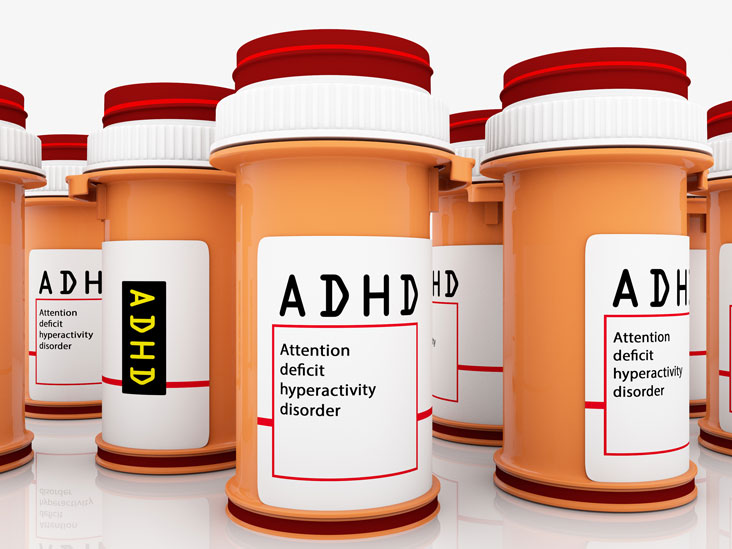
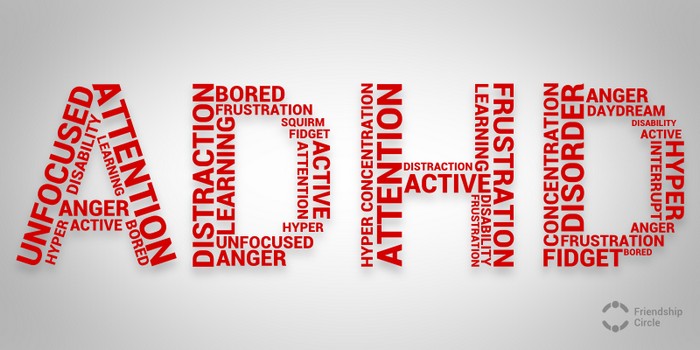
How ADHD Made Me the Queen of Distraction
Physical activities
Our Experts

Martin Grigg
Managing Director

Dr. Natalie Flatt
General Manager
Terese Schuts
General Manager
Our Services
Expert Q & A: Bipolar Disorder
What can family members do to support a person with bipolar disorder?
Could my child have bipolar disorder?
What is a mixed episode?
The term mixed episode was changed to mixed features in the last edition of the Diagnostic and Statistical Manual (DSM-5) published by the American Psychiatric Association in 2013. The new term may apply to either episodes of mania with additional symptoms of depression or the opposite, episodes of depression with additional symptoms of mania. The overall idea is that the presence of both mania and depression can exist at the same time. Symptoms of mania include elated mood, decreased need to sleep or racing thoughts. Symptoms of depression can include depressed mood, and feelings of hopelessness or worthlessness.
Can someone with bipolar disorder be treated without medication?
Although it is possible that during the natural course of the illness individual patients may get well without any medication, the challenge is that it is impossible to identify or determine beforehand who those fortunate patients are. Although some patients dont get well or just have partial response to the best available treatments, on average and for the vast majority of patients the benefits of medications outweigh the risks.